Steeped in Value: How I Turned Tea Into a Smarter Investment Play
Ever wondered if your morning ritual could do more than wake you up? I didn’t either—until I realized some teas appreciate like fine wine. No hype, no get-rich-quick schemes. Just real, tangible value growing in my cupboard. I started small, got curious, made mistakes, learned what works. Now, I’m sharing how treating tea as an asset changed my approach to investing—slow, steady, and surprisingly profitable. This isn’t about speculation or gambling on digital tokens. It’s about recognizing overlooked value in everyday objects, guided by patience, knowledge, and care. For many women managing household budgets and long-term family goals, this kind of quiet, thoughtful wealth-building feels not just possible—but empowering.
The Hidden Potential of Tea as an Investment
At first glance, tea seems an unlikely candidate for financial growth. Yet for decades, certain types—especially raw Pu-erh from China’s Yunnan province—have demonstrated consistent appreciation. Unlike most consumables that lose value the moment they’re purchased, select teas actually increase in worth over time. The reason lies in their unique biological and cultural properties. These teas undergo slow fermentation and oxidation, transforming in flavor, aroma, and complexity with age. As they mature, demand from collectors and connoisseurs rises, often outpacing supply. This natural scarcity, combined with increasing global interest in artisanal goods, creates a compelling case for viewing tea not as a grocery item, but as a long-term store of value.
What makes this form of investment particularly appealing is its stability. While stock markets swing on quarterly earnings and geopolitical news, high-quality aged tea grows in value through time and care. There are no quarterly reports to analyze or earnings calls to follow—just the steady passage of years. A well-preserved cake of 2005 vintage Pu-erh, for example, has seen its market price rise steadily, sometimes multiplying several times its original cost. This isn’t driven by hype cycles or influencer trends, but by the simple fact that fewer of these older batches exist, and more people want them. The aging process enhances both sensory appeal and collectibility, making it a rare asset that improves with time.
For those seeking alternatives to traditional financial instruments, tea offers a tangible, accessible entry point. You can begin with a modest investment—perhaps a single tea cake costing less than $50—and watch it grow over a decade or more. The barrier to entry is low, yet the potential for meaningful returns exists for those who understand the market. More importantly, this type of investing aligns with values often held by thoughtful savers: patience, stewardship, and long-term planning. It rewards consistency over speed, knowledge over speculation, and preservation over consumption. In a world where so much of finance feels abstract and volatile, tea stands as a quiet reminder that value can be cultivated slowly, deliberately, and close to home.
Why Tea Stands Out in Alternative Investing
Alternative investments—assets outside traditional stocks, bonds, and cash—have grown in popularity as investors seek diversification and inflation protection. Gold, fine wine, art, and rare collectibles are common choices. Among these, tea occupies a unique space: it shares characteristics with other appreciating physical assets but offers distinct advantages. Like gold, it is tangible and finite. Like fine wine, it improves with age. But unlike gold, which requires secure vaults and offers no sensory enjoyment, tea can be stored at home, appreciated through taste, and even shared with family. Compared to wine, which demands precise temperature control and costly cellars, tea—when properly stored—requires far less infrastructure and expense.
One of tea’s most compelling features is its low correlation with traditional financial markets. While stock prices may drop during economic downturns, the value of rare aged teas often remains stable or even increases. Collectors and enthusiasts continue to seek out quality regardless of market conditions, providing a buffer against volatility. This makes tea a subtle but effective hedge, particularly during periods of inflation when the purchasing power of cash declines. Physical assets with intrinsic cultural value tend to hold or increase in worth, and tea fits this profile well. Over the past two decades, the global market for premium aged teas has expanded significantly, driven by rising interest in wellness, craftsmanship, and heritage.
Another advantage is engagement. Many alternative assets are passive—owned but not experienced. With tea, you can actively participate in the process. You can taste the evolution of a tea over the years, observe how storage conditions affect flavor, and deepen your understanding of regional differences and processing methods. This hands-on aspect makes tea investing more personal and rewarding. It’s not just about numbers on a screen; it’s about developing a relationship with the product itself. For women balancing financial responsibility with personal fulfillment, this blend of practicality and pleasure is especially appealing. You’re not only growing wealth—you’re cultivating knowledge, taste, and tradition.
Spotting the Right Tea: Quality, Origin, and Authenticity
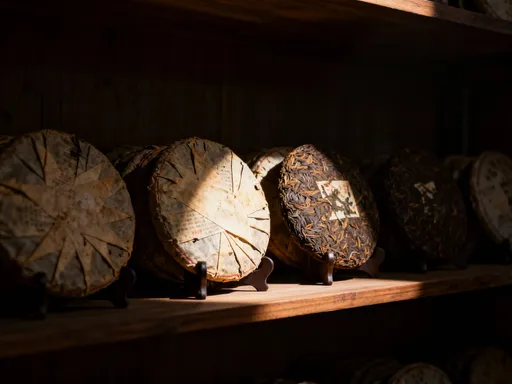
Not every tea is worth investing in. Just as not every painting becomes a masterpiece or every vintage car appreciates, only specific types of tea have proven long-term value. The key is identifying investment-grade varieties. Among these, raw (sheng) Pu-erh from Yunnan stands out as the most documented and reliable choice. Made from large-leaf Camellia sinensis varietals grown in high-altitude regions, these teas are designed to age. When processed traditionally—sun-dried, minimally oxidized, and compressed into cakes—they retain the microbial activity needed for slow transformation. Over time, their flavors evolve from sharp and astringent to smooth, earthy, and complex.
Equally important is origin. Teas from specific mountain regions—such as Yiwu, Banzhang, or Mengsong—are highly sought after due to their unique terroir. Soil composition, climate, altitude, and traditional farming practices all influence the final product’s potential for aging. Harvest year also matters. Early spring harvests, particularly from old-growth tea trees (gushu), yield leaves with greater density and biochemical complexity, making them more likely to develop desirable characteristics over time. These factors combine to create a hierarchy of value within the tea world, where provenance can dramatically affect long-term appreciation.
Authenticity, however, remains a major challenge. The market for aged teas has attracted counterfeiters who re-label younger teas as vintage or use artificial methods to speed up aging. To protect your investment, verification is essential. Reputable suppliers provide detailed documentation, including harvest dates, production methods, and sourcing information. Some even offer lab testing or third-party certification. Building relationships with trusted vendors—whether through specialty shops, direct farm purchases, or tea associations—can greatly reduce risk. For those new to the space, starting with small quantities from known producers allows you to learn while minimizing exposure. The goal is not to buy the most expensive tea, but the most authentic and well-documented one.
The Art of Aging: Storing Tea for Maximum Appreciation
Purchasing high-quality tea is only the beginning. How you store it determines whether it fulfills its potential. Improper conditions can lead to mold, off-flavors, or stalled aging—turning a promising investment into a loss. Unlike wine, which thrives in cool, dark, humid cellars, tea requires a different balance. Pu-erh and other aging teas benefit from moderate humidity (around 60–70%), stable temperatures (ideally between 65–75°F), and good airflow. These conditions support the slow microbial fermentation that develops depth and smoothness over time. Too much moisture invites mold; too little halts the aging process entirely.
Odor control is another critical factor. Tea is highly absorbent and can take on surrounding smells—perfumes, cleaning products, or cooking aromas can ruin its purity. Therefore, storage should occur in a clean, odor-free environment, away from kitchens or bathrooms. Many collectors use breathable containers such as paper boxes, bamboo baskets, or unglazed ceramic jars that allow air circulation while protecting the tea from dust and strong scents. Plastic and vacuum sealing, while useful for short-term storage, are generally not recommended for long-term aging, as they restrict the microbial activity essential for transformation.
For those unable to maintain ideal home conditions, professional tea storage services are available in climate-controlled facilities, particularly in regions like Hong Kong, Guangzhou, or Kunming. These warehouses offer monitored environments specifically designed for tea aging, often with insurance and inventory tracking. While this adds cost, it can be worthwhile for larger collections or high-value acquisitions. Alternatively, dedicated home storage solutions—such as temperature-controlled cabinets or dehumidified rooms—can achieve similar results. The key is consistency: fluctuations in environment do more harm than suboptimal but stable conditions. A tea that ages slowly but steadily will outperform one subjected to erratic changes.
Timing the Market: When to Buy, Hold, or Sell
Like any market, the world of collectible tea follows cycles of supply, demand, and sentiment. Prices rise and fall based on harvest yields, collector trends, and broader economic factors. Understanding these patterns can help you make informed decisions about when to enter or exit. One effective strategy is to buy young teas shortly after production. These are typically affordable—sometimes just $10–$30 per cake—but have the potential to increase significantly over 10 to 20 years. By purchasing early, you lock in a low cost basis and allow time to work in your favor.
Another approach is to acquire mature vintages during market dips. After periods of rapid price growth, corrections often occur as speculation cools. These moments can present buying opportunities for well-aged teas at more reasonable prices. The key is to avoid emotional decisions—neither panic selling during downturns nor overpaying during peaks. Instead, focus on fundamentals: the tea’s origin, condition, and provenance. A 1990s-era cake from a respected producer will likely retain value even if short-term prices fluctuate.
Knowing when to sell is equally important. Some choose to liquidate when a tea reaches peak maturity—typically between 15 and 30 years, depending on type and storage. Others hold indefinitely, treating their collection as a legacy asset to pass down. Partial sales—selling a few cakes while keeping the rest—can provide liquidity without dismantling the portfolio. Auctions, private collectors, and specialty tea dealers are common outlets. Tracking market trends through tea forums, price guides, and collector networks helps inform timing decisions. Ultimately, the goal is not to maximize short-term gains, but to align sales with personal financial needs and long-term objectives.
Risk Management: Avoiding Hype, Scams, and Overpaying
No investment is without risk, and tea is no exception. The growing popularity of aged teas has attracted speculative behavior, inflated prices, and fraudulent practices. One common trap is the “vintage” label scam—where modern teas are falsely marketed as decades-old rarities. Without proper documentation or expert verification, buyers can overpay for ordinary products. Emotional attachment also plays a role; collectors may pay premiums for teas associated with nostalgia or prestige, even when market fundamentals don’t justify the price.
To protect yourself, adopt disciplined habits. Set clear budget limits and stick to them. Diversify within the tea category—owning different vintages, regions, and types reduces exposure to any single point of failure. Keep detailed records of purchases, including receipts, photos, and storage logs. Consider insuring high-value collections, just as you would fine art or jewelry. Gradual accumulation—buying a few cakes each year—spreads risk and avoids the pressure of making large, rushed decisions.
Education is your strongest defense. The more you learn about tea production, aging, and market history, the better equipped you are to spot red flags. Joining tea communities, attending tastings, and consulting experienced collectors can provide valuable insights. Remember, the goal is not to chase the highest returns, but to build a resilient, low-maintenance part of your portfolio that grows steadily over time. Patience and caution are more profitable than excitement and haste.
Building a Long-Term Strategy: From Hobby to Heritage
Tea investing, at its best, transcends finance. It becomes a practice of mindfulness, continuity, and intergenerational care. Imagine opening a tea cake your mother bought in 2005, now rich with decades of quiet transformation. Or sharing a cup from a 2020 harvest with your daughter in 2040, discussing how time has shaped its character. These moments blend financial wisdom with emotional meaning, turning a simple beverage into a vessel of memory and connection.
Integrating tea into your financial plan doesn’t require large sums. Allocating a small portion of savings—say 5%—to high-quality, age-worthy teas can diversify your holdings while engaging your curiosity. Track value annually, not daily. Enjoy the process: taste your collection periodically, note changes, and deepen your appreciation. This isn’t a get-rich-quick scheme; it’s a slow, deliberate act of stewardship. Over time, your collection grows in both monetary worth and personal significance.
For women managing households and planning for the future, this approach offers a refreshing alternative to the noise of financial markets. It’s grounded, tangible, and within reach. It rewards patience, rewards learning, and rewards care. In a world that often demands speed and spectacle, tea investing reminds us that true value is often quiet, enduring, and steeped in time.