Calm Mind, Strong Qi: How Science Backs Qigong for Emotional Balance
Modern life moves fast, and stress piles up—mentally and physically. You’re not alone if you’ve felt overwhelmed, anxious, or emotionally drained. What if a centuries-old practice could help reset your mind? Qigong, a cornerstone of Traditional Chinese yangsheng, blends gentle movement, breath control, and mindful focus. Recent studies suggest it doesn’t just relax the body—it reshapes mental resilience. This article explores how qigong’s calming rhythm supports psychological balance, backed by science, not myths. With rising global concern over emotional well-being, more people are turning to accessible, evidence-based practices that nurture the mind without medication. Qigong offers a gentle yet powerful path, grounded in tradition and increasingly validated by modern research.
The Hidden Cost of Modern Stress
Stress is more than a passing feeling of being busy or tired—it’s a physiological state that, when prolonged, disrupts nearly every system in the body. Emotional imbalance, often marked by persistent anxiety, irritability, low motivation, and mental fatigue, affects millions worldwide. According to the World Health Organization, anxiety and depression have increased significantly in the past decade, with over 300 million people globally living with anxiety disorders and more than 260 million with depression. In the United States, the Centers for Disease Control and Prevention (CDC) reports that stress-related health issues contribute to leading causes of chronic illness, including heart disease, weakened immunity, and sleep disorders.
At the core of this growing concern is the dysregulation of the autonomic nervous system. When under constant pressure, the body remains in a state of sympathetic dominance—commonly known as “fight-or-flight.” This survival mechanism was designed for short-term threats, not the relentless pace of modern responsibilities, digital overload, and emotional demands. Over time, this chronic activation leads to elevated cortisol levels, reduced heart rate variability (HRV), and impaired cognitive function. The brain’s ability to regulate emotions weakens, making individuals more reactive to minor setbacks and less resilient in the face of adversity.
The consequences extend beyond mental fatigue. Poor emotional regulation affects relationships, work performance, and physical health. Insomnia, digestive issues, headaches, and muscle tension often accompany emotional distress, creating a feedback loop that’s difficult to break. While pharmaceutical interventions can be helpful for some, many seek non-invasive, sustainable tools to regain balance. This growing demand has fueled interest in mind-body practices like qigong, which offer a holistic approach to emotional well-being without side effects or dependency.
What Is Qigong—and What It Isn’t
Qigong (pronounced “chee-gong”) is a mind-body practice with roots stretching back thousands of years in Chinese culture. It combines regulated breathing, slow and intentional movements, and focused awareness to cultivate and balance qi—the vital energy believed to flow through all living things. Despite misconceptions, qigong is not a religion, nor is it based on supernatural beliefs. It is a practical discipline, much like physical therapy or mindfulness training, designed to enhance physical vitality and mental clarity. The term “qi” should not be misunderstood as a mystical force but rather as a metaphor for the body’s functional energy—similar to how we speak of stamina, vitality, or nervous system regulation in Western science.
The three core components of qigong are breath, movement, and mental focus. Breathing is slow, deep, and diaphragmatic, helping to calm the nervous system. Movements are gentle, often repetitive, and coordinated with the breath to promote fluidity and body awareness. Mental focus, or intention, involves directing attention inward—often to the breath, a specific body part, or a sense of internal warmth or flow. Together, these elements create a state of relaxed alertness, where the mind is engaged but not strained.
While qigong shares similarities with yoga and tai chi, it is distinct in its emphasis on energy cultivation and accessibility. Unlike yoga, which often involves complex postures and flexibility, qigong can be practiced standing, seated, or even lying down, making it suitable for people of all ages and physical conditions. Tai chi, a martial art form, evolved from qigong principles but involves longer, choreographed sequences. Qigong, by contrast, often uses shorter forms and can be adapted for specific health goals, such as improving sleep, reducing anxiety, or enhancing circulation.
It’s important to clarify that qigong is not a cure-all or a replacement for medical treatment. It is best understood as a complementary practice—one that supports overall well-being by promoting self-regulation and inner harmony. As interest grows, so does scientific scrutiny, allowing researchers to separate fact from folklore and uncover the real mechanisms behind its benefits.
Why the Mind Needs Qi Regulation
The mind and body are not separate systems but deeply interconnected. Emotions are not just mental experiences—they trigger measurable physiological responses. When someone feels anxious, the heart rate increases, muscles tense, and breathing becomes shallow. When calm, the opposite occurs: the heart slows, muscles relax, and breath deepens. Traditional Chinese Medicine (TCM) describes this interplay through the concept of qi, which flows through pathways called meridians. According to TCM, emotional disturbances—such as anger, fear, or sadness—can disrupt the smooth flow of qi, leading to physical symptoms like fatigue, pain, or digestive issues.
While modern science does not recognize meridians in the same way, it has identified parallels in the functioning of the autonomic nervous system and neuroendocrine regulation. For example, chronic stress leads to overactivity of the hypothalamic-pituitary-adrenal (HPA) axis, which governs cortisol release. This hormonal cascade, when unchecked, impairs immune function, disrupts sleep, and reduces emotional resilience. Similarly, low heart rate variability (HRV)—a marker of poor autonomic balance—is linked to anxiety, depression, and cardiovascular risk. Practices that enhance HRV, such as qigong, are increasingly seen as valuable tools for emotional regulation.
Emotional turbulence doesn’t just affect mood—it impacts focus, memory, and decision-making. When the brain is under constant stress, the prefrontal cortex, responsible for rational thinking and self-control, becomes less active, while the amygdala, which processes fear and threat, becomes hyperactive. This imbalance makes it harder to stay calm, think clearly, or respond thoughtfully in challenging situations. By cultivating internal balance through qigong, individuals can shift this neural pattern, supporting greater emotional stability and cognitive clarity.
Moreover, the practice fosters a sense of agency. In a world where many factors feel beyond control—work demands, family responsibilities, global events—qigong offers a way to influence one’s internal state. By learning to regulate breath and attention, practitioners develop a skill set that empowers them to respond to stress more skillfully, rather than reacting automatically. This shift is not about eliminating emotions but about creating space between stimulus and response—a core principle of psychological resilience.
Science Meets Ancient Practice: What Research Shows
In recent years, scientific interest in qigong has grown, with numerous studies exploring its effects on mental and physical health. Clinical trials have consistently shown that regular qigong practice leads to significant reductions in cortisol, the primary stress hormone. One meta-analysis published in the Journal of Psychosomatic Research reviewed 17 randomized controlled trials and found that qigong was associated with moderate to large improvements in anxiety, depression, and overall psychological well-being. Participants reported feeling calmer, more focused, and less emotionally reactive after just a few weeks of daily practice.
Neuroimaging studies have begun to reveal the brain changes underlying these benefits. Research using functional MRI has shown increased activity in the prefrontal cortex and decreased activity in the amygdala among long-term qigong practitioners. These neural shifts are consistent with improved emotion regulation and reduced emotional reactivity. Additionally, studies have found that qigong enhances heart rate variability (HRV), a key indicator of autonomic balance and stress resilience. Higher HRV is associated with better mood, stronger immunity, and lower risk of chronic disease.
Sleep quality is another area where qigong shows measurable benefits. A 2021 study published in the journal BMC Complementary Medicine and Therapies found that adults with insomnia who practiced qigong for eight weeks reported significant improvements in sleep duration, sleep efficiency, and daytime functioning. These changes were linked to reduced nighttime cortisol levels and increased parasympathetic nervous system activity, suggesting that qigong helps the body transition more smoothly into rest and recovery.
While the research is promising, it is important to acknowledge limitations. Many studies have relatively small sample sizes or lack active control groups. More large-scale, long-term randomized controlled trials are needed to fully understand the scope and mechanisms of qigong’s effects. However, the consistency of findings across diverse populations—ranging from older adults to cancer survivors to people with chronic pain—suggests that the benefits are not due to chance. The growing body of evidence supports qigong as a low-risk, accessible intervention for improving emotional health.
How Qigong Calms the Nervous System
The physiological benefits of qigong stem from its ability to shift the body from a state of stress to one of restoration. At the heart of this transformation is the vagus nerve, the longest cranial nerve and a key component of the parasympathetic nervous system. When activated, the vagus nerve signals the body to slow down, relax, and conserve energy. Deep, diaphragmatic breathing—a cornerstone of qigong—directly stimulates the vagus nerve, triggering what is known as the “relaxation response.” This response lowers heart rate, reduces blood pressure, and decreases muscle tension, creating a cascade of calming effects throughout the body.
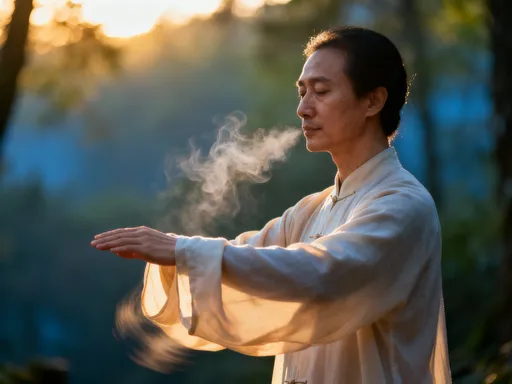
Rhythmic movement, when synchronized with breath, further enhances this process. The slow, flowing motions of qigong—such as raising the arms in a circular motion while inhaling and lowering them while exhaling—create a natural rhythm that helps regulate the nervous system. This coordination between breath and movement fosters a state of embodied awareness, where the mind is anchored in the present moment. As attention stays focused on the body’s motion and breath, the constant chatter of anxious thoughts begins to quiet.
This combination of breath, movement, and focus reduces sympathetic nervous system dominance—the “fight-or-flight” mode—and increases parasympathetic tone, often referred to as “rest-and-digest.” The result is faster recovery from stress, improved emotional regulation, and greater mental clarity. It’s like giving your nervous system a chance to reboot—a reset that doesn’t require medication, expensive equipment, or hours of time.
Over time, this repeated shift from stress to calm strengthens the body’s resilience. Just as physical exercise builds muscle strength, qigong trains the nervous system to return to balance more quickly after a disturbance. This adaptability is crucial for emotional health, especially in a world where stressors are constant and unpredictable. By practicing qigong regularly, individuals develop a deeper connection to their inner state, allowing them to recognize early signs of stress and respond with self-regulation before tension escalates.
Simple Steps to Start—No Experience Needed
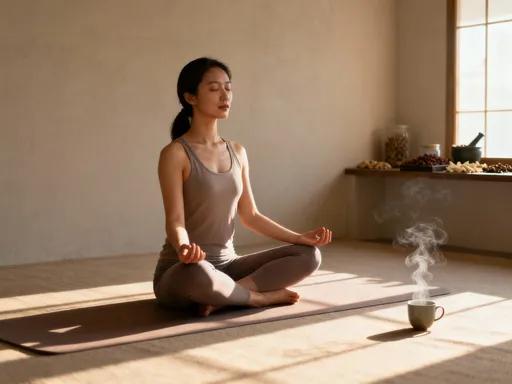
One of the greatest strengths of qigong is its accessibility. You don’t need special equipment, a lot of space, or prior experience to begin. A simple 10-minute daily routine can yield meaningful benefits over time. Start by choosing a quiet space where you won’t be interrupted. You can practice standing, seated in a chair, or even lying down if mobility is limited. The key is to maintain a relaxed but upright posture, with the spine aligned and shoulders relaxed.
Begin with breath awareness. Close your eyes gently and take slow, deep breaths through the nose, allowing the lower abdomen to rise on the inhale and fall on the exhale. Aim for a rhythm of 4 to 6 seconds per inhale and the same for the exhale. This pace helps activate the parasympathetic nervous system and signals safety to the brain. If your mind wanders, gently bring your attention back to the breath—this act of redirection is part of the practice.
Next, add gentle movement. As you inhale, slowly raise your arms in front of you, palms facing up, to shoulder height. Keep the movements smooth and relaxed, as if moving through water. As you exhale, lower your arms back down. Repeat this for 5 to 10 cycles, coordinating each motion with your breath. You can also try the “Lifting the Sky” movement—raising the arms overhead on the inhale and lowering them in front on the exhale—to enhance energy flow and body awareness.
Throughout the practice, maintain a soft focus on a single point—this could be your breath, the sensation in your hands, or the lower abdomen (known as the dantian in qigong). The goal is not to stop thoughts but to cultivate a calm, observing presence. Consistency matters more than duration; practicing for 10 minutes every day is more effective than longer sessions done sporadically. Over time, you may find it easier to stay present, breathe deeply, and feel a sense of inner calm.
Building a Sustainable Practice
Like any new habit, establishing a qigong practice comes with challenges. It’s common to feel distracted, impatient, or skeptical, especially in the beginning. Many people expect immediate results and become discouraged when they don’t feel dramatically different after a few sessions. It’s important to remember that qigong is a form of training, not a quick fix. The benefits accumulate gradually, like the slow strengthening of a muscle. Small, consistent efforts lead to lasting change.
To support sustainability, try practicing at the same time each day—upon waking, during a lunch break, or before bed. This regularity helps integrate qigong into your routine and signals to your body that it’s time to slow down. Some find it helpful to pair the practice with an existing habit, such as after brushing teeth or before drinking morning tea. Using gentle reminders, like a note on the mirror or a calendar checkmark, can also reinforce commitment.
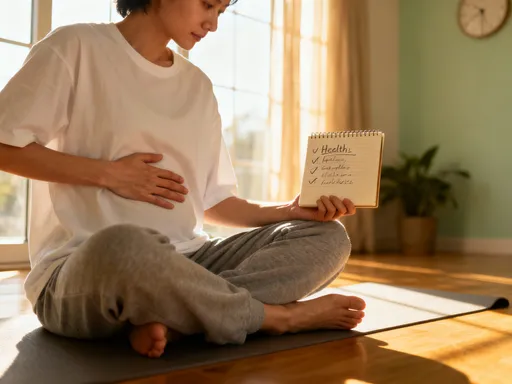
Tracking subtle shifts can deepen motivation. You might notice that you sleep more soundly, react more calmly to stress, or feel more centered during the day. Keeping a simple journal to record these changes—no more than a few sentences—can enhance self-awareness and provide encouragement. Over time, patterns may emerge that highlight the practice’s impact on mood, energy, or focus.
Community support can also be valuable. While qigong can be practiced alone, joining a local class or online group offers guidance, accountability, and connection. Many community centers, senior centers, and wellness studios offer beginner-friendly sessions. Online platforms provide instructional videos and live classes, allowing you to learn at your own pace. The key is to find a style and setting that feels comfortable and sustainable for your lifestyle.
Conclusion: The Quiet Power of Daily Return
Qigong is not a miracle cure, but it is a powerful tool for emotional balance—one that is supported by both tradition and science. Its strength lies in simplicity, accessibility, and consistency. By integrating gentle movement, mindful breathing, and focused attention into daily life, individuals can cultivate a deeper sense of calm, resilience, and inner strength. The practice is not about escaping stress but about learning to navigate it with greater awareness and control.
As research continues to validate its benefits, qigong stands out as a low-cost, low-risk approach to mental well-being. It empowers individuals to take an active role in their health, offering a form of self-care that is both nurturing and effective. Whether you are managing everyday stress, recovering from burnout, or simply seeking more balance, qigong provides a gentle pathway forward.
The journey begins with a single breath, a small movement, a moment of presence. Over time, these moments accumulate into lasting change. Patience and openness are essential—there is no need to strive for perfection. Each time you return to your practice, you strengthen your capacity for calm, clarity, and emotional stability. In a world that often feels chaotic, qigong offers a quiet refuge—a daily return to yourself. And in that return, there is strength.
As with any health practice, it’s important to consult with a healthcare provider if you are managing a diagnosed mental or physical condition. Qigong can be a valuable complement to professional care, but it should not replace medical treatment when needed. With informed, mindful engagement, this ancient practice can become a trusted companion on the path to well-being.