How I Learned to Listen to My Body: A Real Talk on Chinese Wellness Checks
For years, I ignored my body’s whispers—fatigue, tension, mood swings—until they became screams. That’s when I discovered traditional Chinese wellness assessment, not as a quick fix, but as a way to truly understand my inner balance. It’s not about lab tests or numbers, but about energy, rhythm, and harmony. This is my journey into Chinese-style body check-ins—simple, insightful, and surprisingly powerful. No medical claims, just real observations that changed how I care for myself every day.
The Wake-Up Call: When Modern Life Clashed with My Body’s Limits
Life moved fast, and I kept pace—long workdays, skipped meals, restless nights. I wore exhaustion like a badge of honor, believing that pushing through fatigue was strength. But my body had other plans. Headaches became frequent, digestion turned erratic, and my energy dipped so low by mid-afternoon that even climbing the stairs felt like a marathon. I visited doctors, ran blood tests, and was told everything was “within normal range.” Yet, I didn’t feel normal. I felt frayed, fragile, and out of sync.
It wasn’t until a close friend suggested I see a practitioner of Traditional Chinese Medicine (TCM) that I considered a different lens. Skeptical but desperate, I went. Instead of drawing blood, the practitioner asked me to stick out my tongue, then spent several minutes feeling my wrist pulse in silence. She noted the coating on my tongue, the puffiness under my eyes, and the tension in my shoulders. Then she said something that changed everything: “Your body is trying to tell you it’s overwhelmed. The energy isn’t flowing the way it should.”
This was a stark contrast to the Western medical model I was used to—one that focuses on diagnosing disease once it’s fully formed. TCM, by contrast, looks at patterns of imbalance long before they escalate into illness. While Western medicine excels at acute care and emergencies, Chinese wellness assessment operates on the principle of prevention. It sees the body as an interconnected system where physical, emotional, and environmental factors influence overall health. What struck me most was not the lack of machines or lab results, but the deep attentiveness—someone was finally listening, not just to my symptoms, but to my whole self.
What Is Chinese Wellness Assessment? Breaking Down the Basics
At the heart of Chinese wellness assessment lies a framework built on thousands of years of observation and practice. Unlike symptom-based diagnostics, this approach evaluates the body’s overall state of balance. Key concepts include Qi (vital energy), Yin and Yang (opposing but complementary forces), the Five Elements (Wood, Fire, Earth, Metal, Water), and the Zang-Fu organ systems. These are not just physical organs but functional networks that influence everything from digestion to emotions.
Qi is the life force that flows through pathways called meridians. When Qi moves smoothly, we feel energized and clear. When it’s blocked or depleted, we experience fatigue, pain, or emotional unrest. Yin represents nourishment, rest, and cooling functions, while Yang embodies activity, warmth, and movement. Health, in this view, is not the absence of disease but the dynamic equilibrium between these forces. For example, someone with too much Yang might feel restless and overheated, while someone with deficient Yin may struggle with dryness, insomnia, and anxiety.
The Five Elements further refine this understanding by linking natural cycles to bodily functions. Each element corresponds to specific organs, emotions, and seasons. Wood relates to the Liver and Gallbladder, associated with planning and anger; Fire governs the Heart and Small Intestine, tied to joy and connection; Earth connects to the Spleen and Stomach, influencing digestion and thought; Metal rules the Lungs and Large Intestine, linked to grief and letting go; and Water corresponds to the Kidneys and Bladder, affecting willpower and fear. Imbalances in one element can ripple through others, much like a stone tossed into still water.
Practitioners gather information through four main methods: observation, listening, questioning, and palpation. They examine the tongue—its color, shape, coating—for clues about internal conditions. A pale tongue may suggest Qi deficiency, while a red one could indicate heat. The pulse is another vital diagnostic tool, with different positions and qualities revealing information about organ function and energy flow. Facial color, voice tone, and even the way a person breathes are all part of the assessment. This holistic picture helps identify patterns rather than isolated symptoms, offering a roadmap for restoring balance.
Why Your Body Isn’t Broken—It’s Just Out of Tune
One of the most liberating insights from Chinese wellness is the idea that symptoms are not signs of failure, but messages. Headaches, bloating, irritability, or poor sleep are not random malfunctions—they are the body’s way of communicating that something is off. Instead of suppressing them with quick fixes, the goal is to understand what they’re trying to say. This shift in perspective transforms the relationship with one’s body from adversarial to collaborative.
Common patterns identified in TCM include Liver Qi stagnation, Spleen Qi deficiency, and Kidney essence depletion—terms that may sound foreign but describe real, everyday experiences. Liver Qi stagnation often arises from stress, emotional suppression, or a hectic lifestyle. It shows up as irritability, tight shoulders, menstrual discomfort, and a feeling of being “wound up.” This doesn’t mean the liver is diseased in the Western sense, but that its energetic function—smoothing the flow of Qi and emotions—is impaired.
Spleen Qi deficiency, meanwhile, is linked to overthinking, poor digestion, fatigue, and a tendency to feel heavy or bloated after eating. In TCM, the Spleen governs transformation—turning food into energy and thoughts into clarity. When it’s weakened, both physical and mental processing slow down. This pattern is common among women juggling family, work, and endless to-do lists, often surviving on coffee and convenience foods.
Kidney weakness, another frequent imbalance, relates to deep reserves of energy and vitality. It may manifest as low back pain, frequent urination, low motivation, or trouble waking up in the morning. The Kidneys are considered the “root of life” in Chinese medicine, storing essence that supports growth, reproduction, and aging. When this foundation is taxed by chronic stress, lack of rest, or overexertion, the whole system feels less resilient. Recognizing these patterns doesn’t mean diagnosing oneself, but becoming aware of recurring signals that something needs attention.
How to Do a Simple Self-Check (The Everyday Way)
You don’t need a practitioner present every day to benefit from Chinese wellness principles. A simple morning self-check can become a powerful habit. Begin by observing your tongue in natural light. Is it pale or pink? Is the coating thick, thin, or absent? A healthy tongue is typically light red with a thin white coating. A thick white coating may suggest dampness or digestive sluggishness, while a red tongue with little coating could point to heat or Yin deficiency.
Next, tune into your energy. Do you wake up feeling refreshed, or do you drag yourself out of bed? Notice the quality of your sleep—did you wake frequently, dream vividly, or feel unrested? Your bowel movement is another important clue. Is it regular, well-formed, and easy to pass? Loose stools may indicate Spleen Qi deficiency, while hard, dry stools could reflect intestinal dryness or heat.
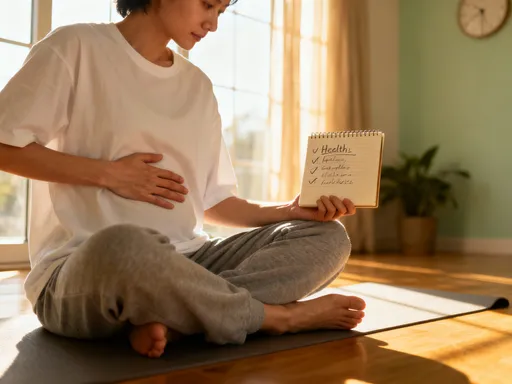
Mood and appetite also offer insight. Are you unusually irritable, anxious, or withdrawn? Does food appeal to you, or do you eat out of obligation? Tracking these signals doesn’t require apps or complicated journals. A simple mental note or a few lines in a notebook can reveal patterns over time. The “8 Signals” framework—sleep, appetite, energy, mood, skin, digestion, urine, and menstruation (if applicable)—provides a practical checklist.
For example, if you notice dark circles under your eyes, dry skin, and frequent urination, these may point to Kidney involvement. If bloating follows every meal and your energy crashes by 3 p.m., Spleen support might be needed. By paying attention to these daily cues, you begin to see your body not as a machine to be pushed, but as a living system with rhythms and needs. This awareness fosters compassion and empowers small, meaningful changes—like choosing a warm breakfast instead of cold cereal, or stepping outside for five minutes of fresh air when tension builds.
From Insight to Action: Gentle Adjustments That Actually Stick
Knowledge without action remains theoretical. The beauty of Chinese wellness is that its recommendations are often simple, accessible, and deeply aligned with nature. Once you recognize a pattern, you can make gentle, sustainable adjustments. For instance, if you identify signs of Liver Qi stagnation—tension, frustration, shoulder tightness—incorporating movement becomes essential. A short walk, stretching, or even humming a tune can help Qi flow. Emotional expression matters too; finding safe ways to release feelings, whether through journaling or talking with a trusted friend, supports Liver health.
Diet plays a central role. In TCM, food is medicine, not just fuel. The concept of warming and cooling foods is not about temperature, but energetic effect. Cooling foods like cucumber, watermelon, and raw salads can help clear heat but may weaken digestion if eaten excessively, especially in colder months. Warming foods—cooked grains, root vegetables, ginger, and soups—support the Spleen and are ideal for those with fatigue or bloating. Seasonal eating is another cornerstone: eating what grows locally and naturally in each season helps the body stay in rhythm with nature.
For someone with Spleen Qi deficiency, a warm oatmeal breakfast with cinnamon and a boiled egg is more supportive than a smoothie full of raw fruits and ice. Small shifts like this, made consistently, can yield noticeable improvements in energy and digestion. Similarly, someone with signs of Yin deficiency—dryness, night sweats, insomnia—might benefit from nourishing foods like black sesame seeds, pears, and bone broth, along with earlier bedtimes and quiet evening routines.
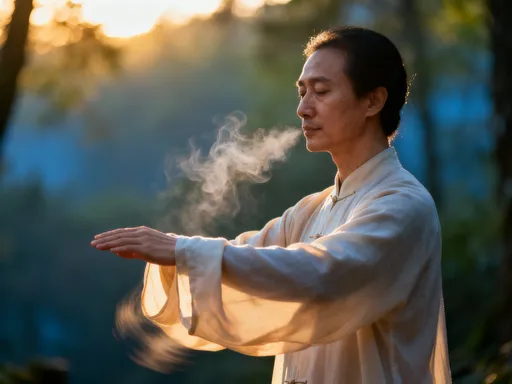
Beyond food and movement, integrating brief Qi Gong exercises or breathing techniques into a busy day can make a difference. Qi Gong, a gentle movement practice, combines breath, intention, and slow motion to cultivate and circulate energy. Just five minutes of “Lifting the Sky” or “Separating Heaven and Earth” can reset the nervous system and improve focus. Deep abdominal breathing—inhaling slowly through the nose, expanding the lower belly, and exhaling fully—activates the parasympathetic nervous system, reducing stress and supporting digestion. These practices don’t require special equipment or hours of time; they fit seamlessly into life, offering moments of centering amidst chaos.
When to Seek Help—and How to Talk to a Practitioner
While self-awareness is powerful, there are times when professional guidance is essential. If symptoms persist despite lifestyle adjustments—if fatigue doesn’t lift, digestion remains troubled, or mood disturbances deepen—it’s important to consult a qualified TCM practitioner. This is not a substitute for conventional medical care, but a complementary approach. Serious conditions like persistent pain, unexplained weight loss, or cardiovascular symptoms should always be evaluated by a licensed physician.
Finding a reputable TCM provider requires some research. Look for practitioners certified by recognized institutions, such as those licensed in acupuncture and herbal medicine. When meeting a practitioner, come prepared with your observations: your tongue appearance, sleep patterns, digestion, and emotional state. Ask questions about their assessment and recommendations. A good practitioner will explain their reasoning in clear terms and welcome your input.
It’s also important to be honest about any medications or supplements you’re taking, as some herbal remedies can interact with pharmaceuticals. The goal is collaboration—integrating the best of both worlds. For example, someone managing hypertension with medication might also benefit from stress-reducing Qi Gong and dietary adjustments to support Liver Qi. Open communication between all healthcare providers ensures safety and coherence in care.
Living in Harmony: Making Balance a Daily Practice
The ultimate aim of Chinese wellness is not to chase perfection, but to live in greater harmony with oneself and the natural world. This means shifting from crisis management to preventive awareness. Instead of waiting for burnout to strike, you learn to recognize the early whispers—slight fatigue, a change in appetite, a mood dip—and respond with care. Over time, this builds resilience, not just physically, but emotionally and mentally.
Building a personal rhythm is key. This might mean aligning your day with natural cycles: rising with the sun, eating meals at consistent times, winding down before bed. It’s not about rigid schedules, but about honoring your body’s innate wisdom. A woman in her 40s balancing a career and family might find that starting the day with five minutes of breathing practice sets a calmer tone. Another might discover that switching from iced coffee to warm lemon water in the morning eases her bloating.
The long-term benefits are not flashy, but deeply felt: better sleep, improved digestion, a clearer mind, and a greater sense of calm. These changes don’t happen overnight, but through consistent, mindful choices. There’s no hype, no promise of instant transformation—just the quiet, steady return to balance. As seasons change, so do needs; what supports you in summer may not serve you in winter. The practice is ongoing, evolving with life’s phases.
Chinese wellness isn’t about rejecting modern life, but about navigating it with greater awareness. It offers a way to honor the body not as a problem to fix, but as a partner to listen to. When we stop fighting our nature and start paying attention, true well-being begins—not as a destination, but as a daily practice of presence, care, and respect.